


A ceiling fan can look like it has natural wood blades, but that does not always mean the blades are made from solid wood. Some fans use wood veneer, plywood, MDF or other engineered materials with a wood-style finish.
If you are considering a real wood ceiling fan for your home, knowing how to identify the blade material can help you make a more informed purchase. Grain patterns, edges, product descriptions, weight and construction details can all provide useful clues.
At Perimost, we appreciate the natural character of wood and how it can bring warmth and texture to an interior. In this guide, we will explain how to recognize genuine wood fan blades, what to look for when shopping and how solid wood compares with other common materials.
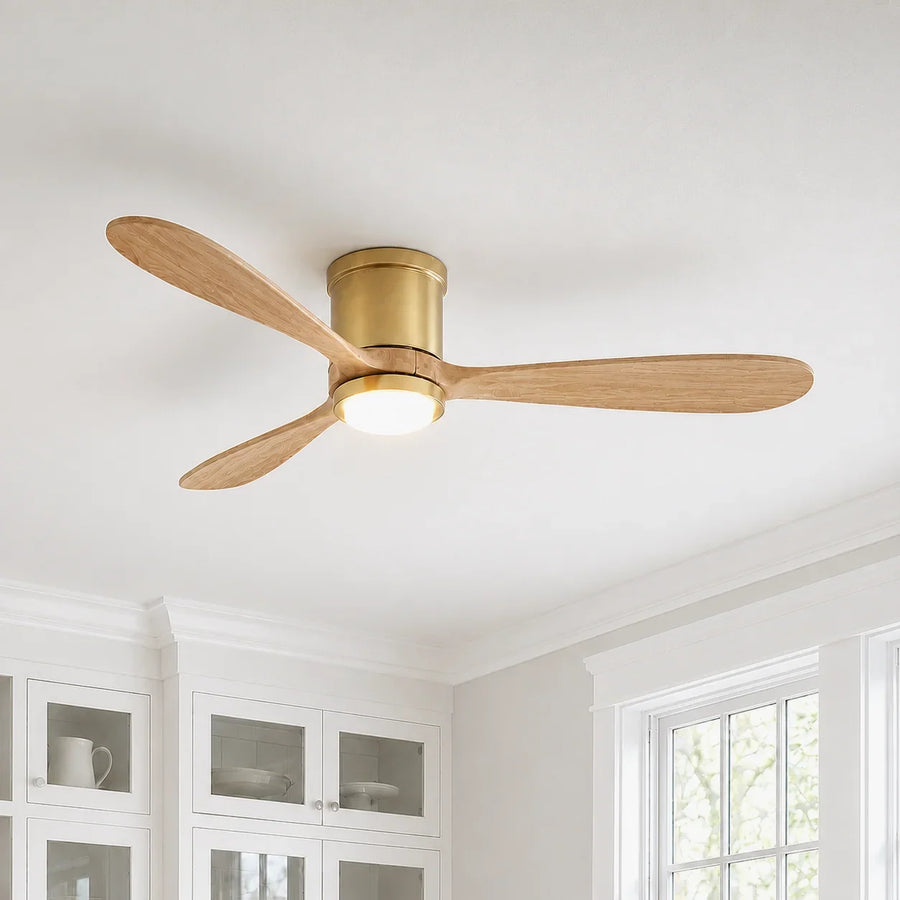
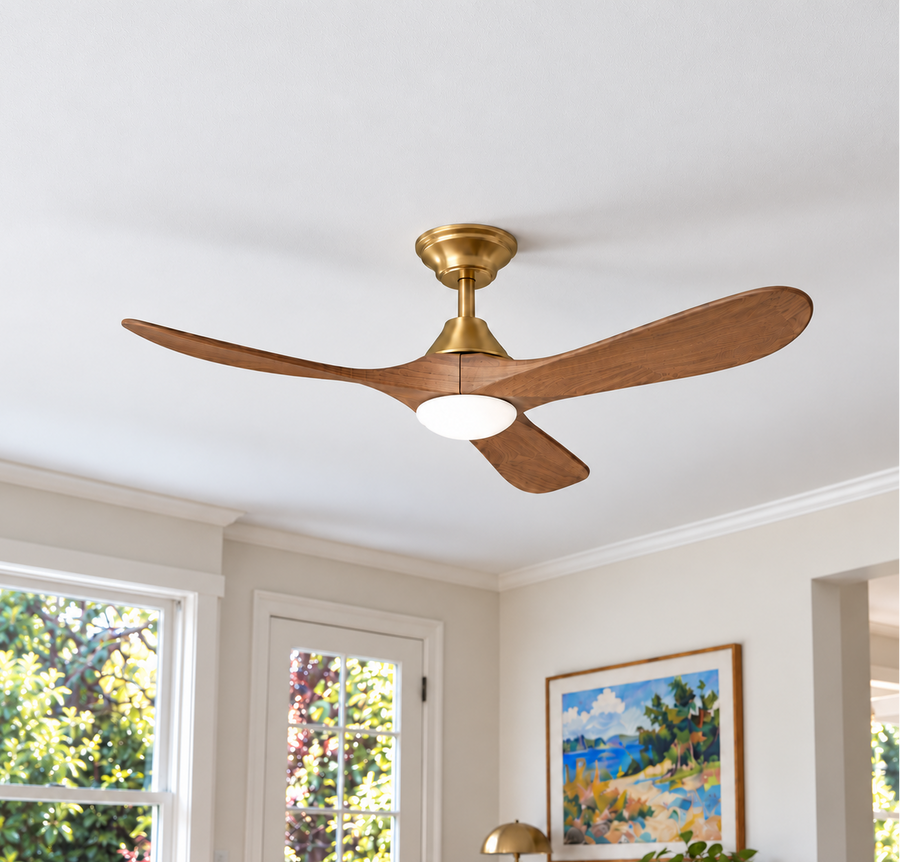
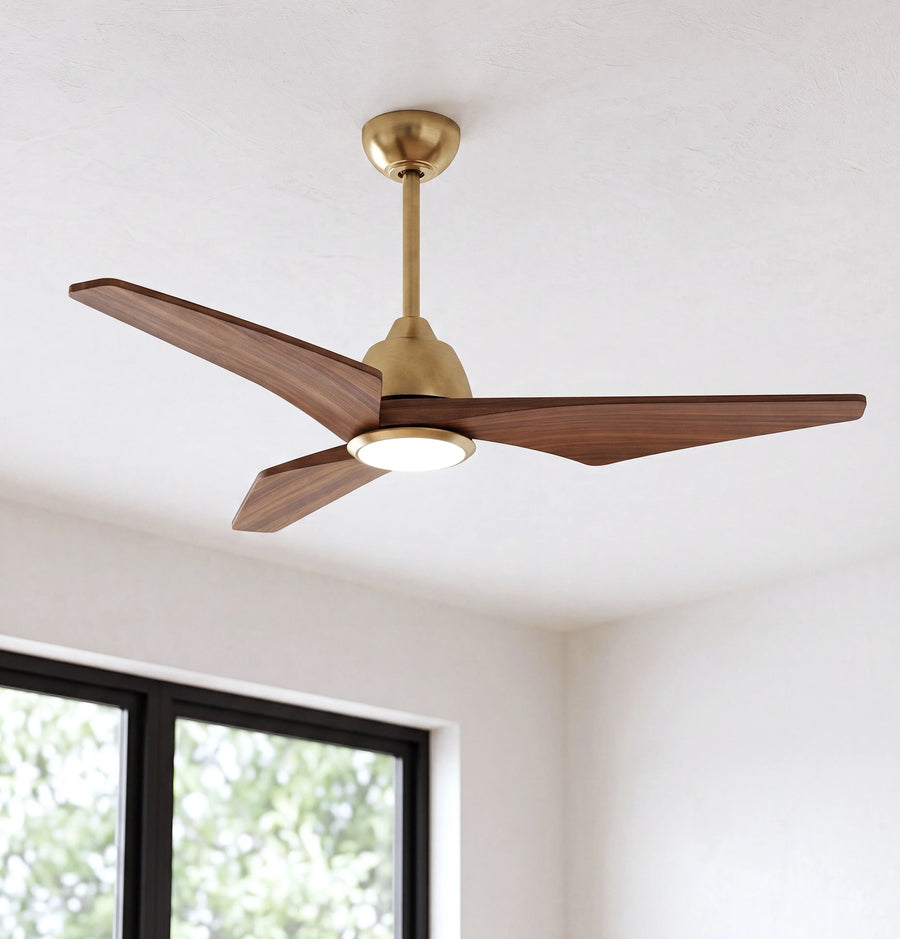
1. Start by Checking the Wood Grain
One of the first things to examine is the grain pattern. Natural wood develops its own grain as the tree grows, which means its surface usually has variations in lines, color and texture.
Solid wood ceiling fan blades often show natural differences between individual blades. Even when the blades come from the same type of wood, their grain patterns may not look exactly alike.
Look for Natural Grain Variations
Real wood does not usually have a perfectly repeated pattern across every surface. You may notice:
-
Different grain lines and patterns from one blade to another.
-
Small variations in color and natural markings.
-
Changes in grain direction and texture.
-
Subtle differences between the two sides of a blade.
These characteristics can help distinguish natural wood from printed wood-look finishes.
However, grain appearance alone is not enough to confirm that a blade is solid wood. A high-quality veneer can also display genuine wood grain because it uses a thin layer of real wood over another material.

Check the Blade Edges
The edges can provide another useful clue. Look closely at the sides and tips of the blades, rather than only examining the broad front surface.
A solid wood blade should generally show wood grain that continues into its exposed edges. By comparison, some engineered blades may reveal separate material layers, a core or a surface covering.
Keep in mind that manufacturers may seal, paint or finish the edges, so the underlying construction may not always be visible.

2. Understand the Difference Between Solid Wood and Wood-Look Blades
Not every ceiling fan advertised with a wood finish has solid wood blades. Manufacturers use several materials to achieve a natural wood appearance, and they can look quite similar from a distance.
Here are the main differences:
|
Blade Material |
Construction |
Appearance |
|---|---|---|
|
Solid Wood |
Natural timber throughout the blade |
Natural grain and individual variations |
|
Wood Veneer |
Thin real wood layer over a core material |
Genuine wood surface |
|
Plywood or Engineered Wood |
Multiple wood layers or compressed wood fibers |
More consistent appearance |
|
ABS Plastic |
Molded plastic with a wood-look finish |
Often highly uniform grain patterns |
|
Metal |
Aluminum or other metals with decorative finishes |
Can imitate natural wood colors |
These materials are all used in ceiling fan construction. Some plastic blades can even be molded to resemble timber, making visual identification more difficult.

Solid Wood vs. Wood Veneer
Wood veneer is made from a thin layer of real wood attached to another material. This means a veneered ceiling fan blade can have genuine wood grain without being solid wood throughout.
Both materials can look attractive, but they are not the same construction.
If you specifically want solid wood blades, check that the manufacturer identifies the blade material as solid wood rather than simply describing the surface as natural wood or wood veneer.
Solid Wood vs. ABS Plastic
ABS is a type of plastic that can be molded into different blade shapes and finished with a wood-grain appearance.
These blades may have very consistent colors and patterns. However, modern manufacturing can make wood-look finishes quite realistic, so appearance alone is not a reliable way to identify the material.
The best approach is to check the actual material specification rather than judge the fan by its color or texture.
3. Read the Product Specifications Carefully
One of the most reliable ways to identify genuine solid wood blades is to examine the manufacturer's product specifications.
Product descriptions sometimes use similar terms that mean different things. Understanding the wording can help you avoid buying a fan that only has a wood-style appearance.
Look for Specific Material Descriptions
Pay attention to these common terms:
|
Product Description |
What It Tells You |
|---|---|
|
Solid Wood Blades |
Explicitly identifies solid wood blade construction |
|
Real Wood Blades |
Indicates natural wood, but check construction details |
|
Natural Wood Finish |
Describes appearance, not necessarily material |
|
Wood Grain Finish |
Describes the surface pattern |
|
Wood-Look Blades |
Usually describes an imitation wood appearance |
|
Wood Veneer Blades |
Indicates a real wood surface over another material |
For example, a listing that says "Natural Wood Color" does not automatically confirm solid wood construction.
Ideally, look for a separate specification labeled Blade Material. If the information is unclear, contact the manufacturer and ask whether the entire blade is made from solid wood or whether it uses a veneer or engineered core.
Check the Wood Species
Some manufacturers also identify the type of wood used in their ceiling fan blades.
Knowing the wood species can provide more information about the material and its natural characteristics. Different woods have different grain patterns, colors, densities and working properties.
However, a product does not have to list a specific species to be genuine solid wood. The important point is that the manufacturer clearly confirms the blade construction.
4. Do Not Judge Real Wood by Weight or Price Alone
Weight and price can sometimes provide additional context, but neither is a reliable way to confirm solid wood construction.
A solid wood blade may feel heavier or lighter depending on the wood species, dimensions and blade design. Engineered materials can also vary considerably in weight.
Similarly, an expensive ceiling fan is not automatically made with solid wood blades. Its price may reflect the motor, lighting system, finish, design or other components.
When comparing two ceiling fans, focus on the actual blade material and construction rather than relying on price or appearance.
A useful checklist before purchasing includes:
-
Material confirmation: Check whether the manufacturer explicitly identifies the blades as solid wood.
-
Construction details: Ask whether the blades are solid throughout or use veneer and composite materials.
-
Product documentation: Review specifications, installation information and manufacturer responses.
5. Consider How Solid Wood Blades Are Maintained
Real wood has natural characteristics that require appropriate care. Although a protective finish can help preserve the surface, wood should not be exposed to unnecessary moisture or harsh cleaning products.
This is particularly important for ceiling fans because their blades are exposed to dust and changes in indoor humidity.

Simple Cleaning and Care Tips
To keep solid wood ceiling fan blades looking good:
-
Remove dust regularly: Use a soft, dry microfiber cloth. Avoid excessive pressure when cleaning the blade surface.
-
Avoid excess moisture: Do not use wet cloths, abrasive cleaners or chemical solvents unless the manufacturer specifically approves them.
-
Check the hardware: Periodically inspect blade screws and mounting connections according to the manufacturer's maintenance instructions.
It is also important to consider the installation environment. A fan designed for dry indoor locations should not be installed outdoors or in damp areas simply because its blades are made from wood.
Solid wood construction does not automatically make a fan suitable for every climate or location.
6. Does Solid Wood Construction Affect Ceiling Fan Performance?
Blade material is important, but it is only one part of ceiling fan performance.
A well-designed ceiling fan needs the right combination of blade shape, pitch, diameter, motor performance and overall balance.
Solid wood blades offer a natural appearance and distinctive grain, but they do not automatically produce stronger airflow or quieter operation than every alternative material.
When comparing fans, consider the following factors:
|
Factor |
Why It Matters |
|---|---|
|
Blade Diameter |
Influences the area the fan can serve |
|
Blade Pitch |
Affects how the blades move air |
|
Motor Type |
Influences speed control and operation |
|
CFM Rating |
Indicates the volume of air moved per minute |
|
Blade Balance |
Helps support smooth operation |
For everyday comfort, it is better to consider the complete fan rather than choosing solely based on blade material.
7. Solid Wood Ceiling Fan Options from Perimost
At Perimost, we appreciate the natural appearance of wood and its ability to complement different interior styles. Our ceiling fan collections include genuine solid wood options as well as decorative designs with wood-inspired details.
Here are two options with different approaches to materials and design.
Sylvie 60-Inch Solid Wood Ceiling Fan with Light
The Sylvie 60-Inch Solid Wood Ceiling Fan with Light features three natural solid wood blades paired with warm brass accents. Its 60-inch blade span, reversible six-speed DC motor and remote control make it suitable for larger indoor spaces. It also includes an 18W integrated LED light with three color temperature settings and a timer function. The natural wood finish allows the grain to become part of the room's overall design.

Pulse LED Fandelier 31-Inch
The Pulse LED Fandelier 31-Inch offers a different approach, combining a decorative bronze metal frame with wood elements and a modern light wood-grain appearance. Its specifications list iron and wood construction rather than explicitly identifying solid wood blades. It features a DC motor, six speeds, reversible operation, remote control and dimmable lighting. It is an interesting option for homeowners who prefer a decorative fandelier with natural wood-inspired details.

Final Thoughts
Identifying real wood ceiling fan blades requires more than looking at their color or grain. Check the blade edges, compare the material specifications and confirm the construction with the manufacturer when necessary.
If natural materials are important to your home design, a genuine solid wood ceiling fan can bring distinctive texture and warmth to your space. Choosing a fan with clearly documented blade materials will help you make a more confident purchase.


