


A wooden chandelier can add warmth, texture and character to a modern home. Unlike conventional metal or glass fixtures, wood introduces a natural element that works well with clean lines, neutral colours and contemporary furniture.
Wooden chandeliers are available in many designs, from simple wooden frames to decorative bead styles and combinations of wood and metal. Choosing the right one involves considering its size, material, lighting performance and installation position.
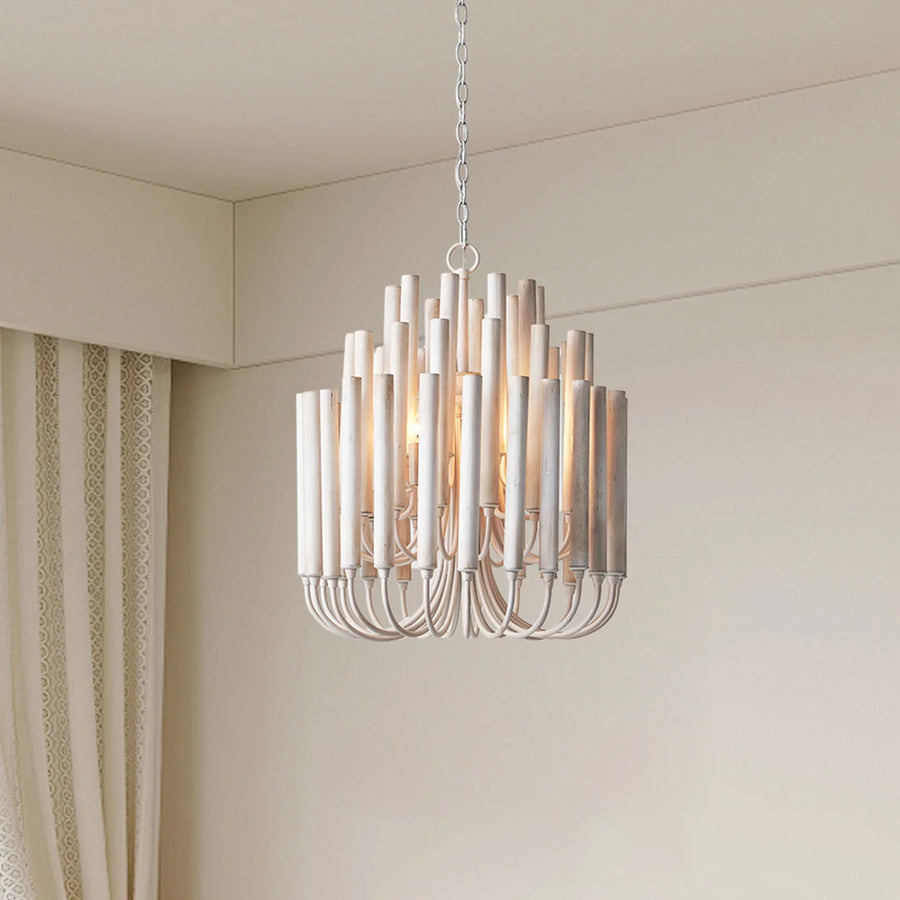
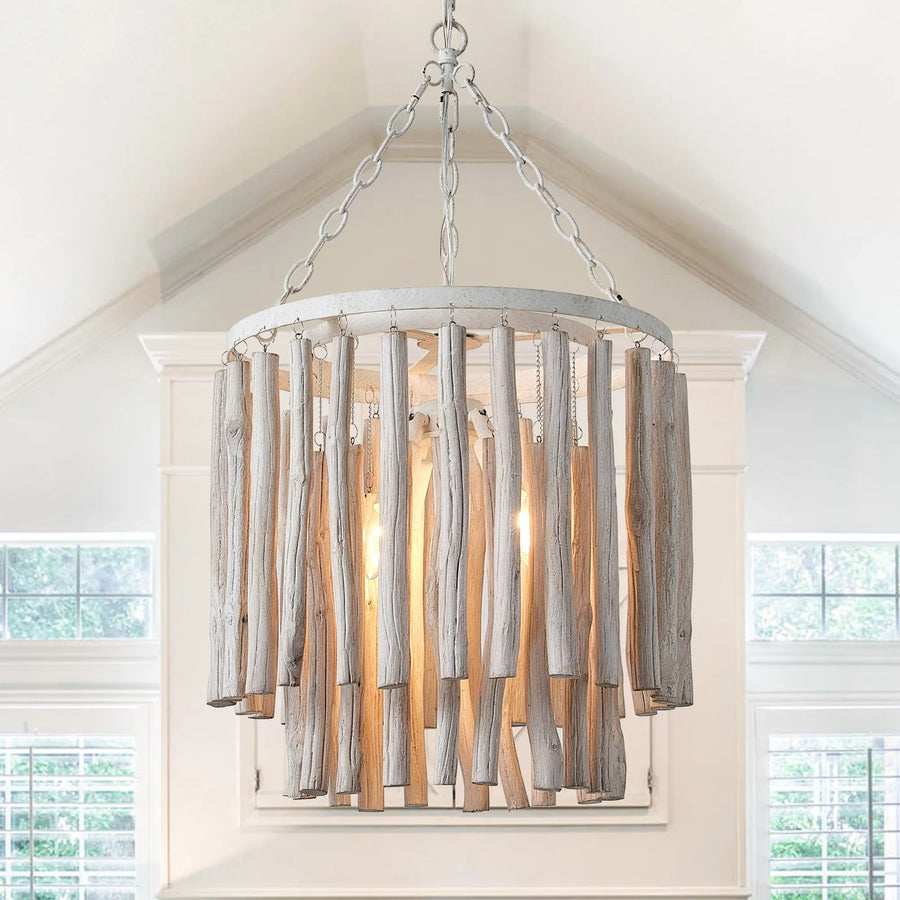
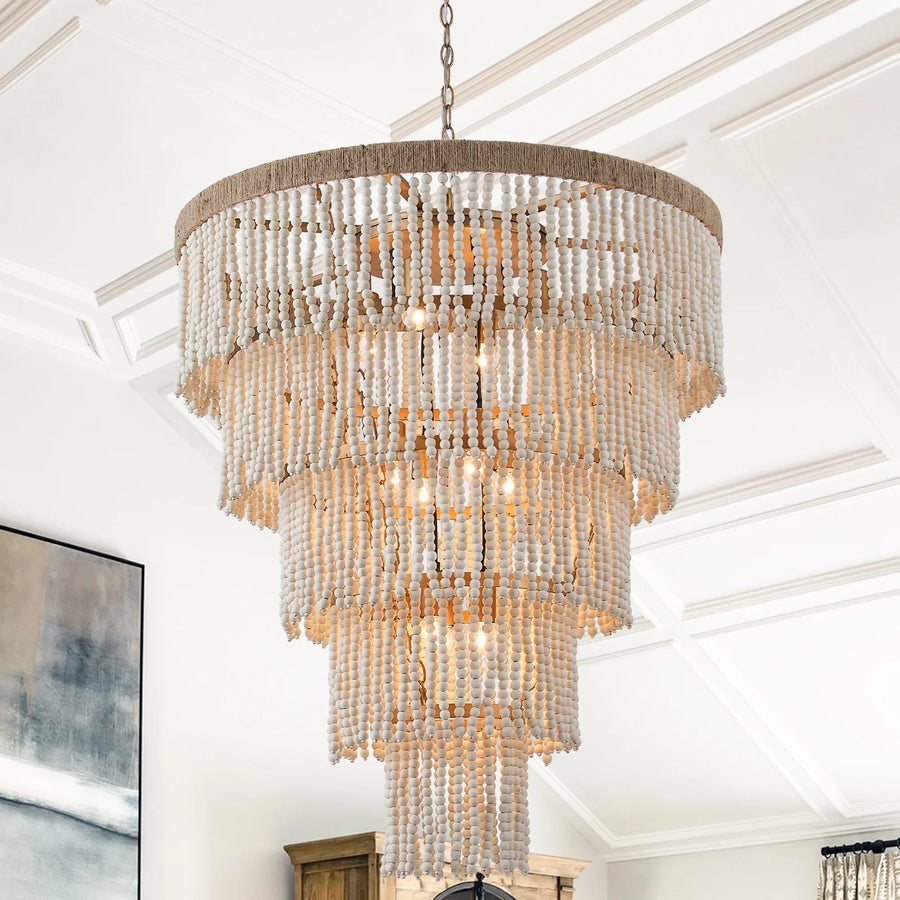
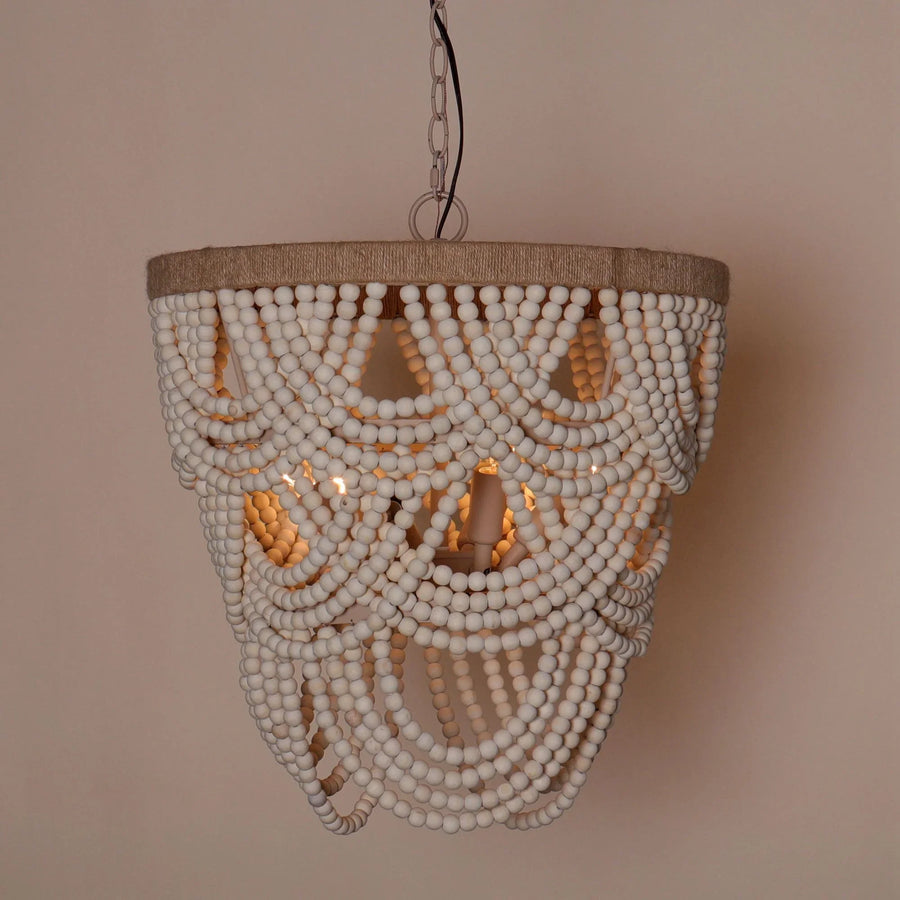
Understand the Different Wooden Chandelier Materials
Not every chandelier described as wooden is made entirely from solid wood. Some designs combine wood with metal, rope or other materials.
| Material | Characteristics | What to Consider |
|---|---|---|
| Solid wood | Natural grain and substantial construction | Weight and maintenance |
| Wooden beads | Decorative texture and softer appearance | Dust collection |
| Wood veneer | Thin wood surface over a supporting material | Core construction |
| Wood and iron | Natural and industrial details | Weight and finish |
| Wood and rope | Relaxed and textured appearance | Cleaning requirements |
Solid Wood
Solid wood is popular among homeowners who appreciate natural materials. Its grain patterns and colour variations give each fixture an individual appearance. Different timber types have different properties, so check the material and finish before buying.
Wooden Bead Designs
Wooden bead chandeliers feature decorative beads arranged around a frame. They create a softer appearance and work well in coastal, bohemian and farmhouse interiors.
Wood and Metal Combinations
Combining wood with metal creates a balance between natural warmth and modern structure. Black iron and antique metal finishes are particularly suitable for industrial and farmhouse interiors.
Choose a Chandelier That Fits Your Room
The size of your chandelier should match the room dimensions and furniture underneath it. A fixture that is too small may look insignificant, while an oversized design can dominate the space.
A useful starting point is to add the room's length and width in feet. Use the total as an approximate chandelier diameter in inches.
For example, a 12 by 14 foot room gives a total of 26, suggesting a chandelier around 26 inches in diameter.
| Room Dimensions | Suggested Chandelier Diameter |
|---|---|
| 10 x 10 ft | Around 20 inches |
| 12 x 12 ft | Around 24 inches |
| 12 x 14 ft | Around 26 inches |
| 14 x 16 ft | Around 30 inches |
| 16 x 18 ft | Around 34 inches |
These are general design guidelines rather than strict requirements. Ceiling height, furniture size and the visual weight of the chandelier should also influence your decision.

Consider the Shape of the Room
A long rectangular room may benefit from a linear wooden chandelier, while a round or square room can work well with a circular design.
For a narrow room, avoid fixtures that extend too far horizontally. In a larger open-plan space, a wider chandelier can help define a dining or seating area.
How to Choose a Wooden Chandelier for Different Rooms
The best chandelier depends on how the room is used and the type of lighting required.
Dining Room
The dining room is one of the most popular places for a wooden chandelier. A fixture above the table creates a focal point and connects the lighting with the surrounding furniture.
For rectangular tables, linear designs often look balanced. Round tables can work well with circular or compact chandeliers.
A common design guideline is to hang the bottom of the chandelier approximately 30 to 36 inches above the tabletop. Adjust the height according to the ceiling and fixture dimensions.
Living Room
A wooden chandelier can make a living room feel warmer and more welcoming. Simple wooden frames work particularly well with neutral sofas, timber flooring and contemporary furniture.
For larger spaces, consider a fixture with several light sources. Combine it with floor lamps or wall lights to create more flexible illumination.
Kitchen and Kitchen Island
Wooden chandeliers can complement kitchens with timber cabinets, stone countertops and neutral finishes. Linear designs are particularly suitable above kitchen islands.
However, cooking vapour, grease and dust can collect on decorative surfaces. Choose a design that is easy to clean and suitable for its intended location.
Bedroom and Entryway
A smaller wooden chandelier can introduce natural texture into a bedroom without making the ceiling feel crowded.
In entryways, consider ceiling height and walking clearance. A decorative fixture should create a welcoming appearance without hanging too low.
How High Should a Wooden Chandelier Hang?
Hanging height affects both appearance and everyday comfort.
| Installation Location | General Guideline |
|---|---|
| Above a dining table | 30 to 36 inches above the tabletop |
| Above a kitchen island | Around 30 to 36 inches above the surface |
| Living room with standard ceiling | At least 7 feet of floor clearance |
| High-ceiling entryway | Adjust according to room height |
These are common interior design guidelines, not universal installation rules.
Also consider the total fixture height, chain length and ceiling canopy. A chandelier with a long body may need a shorter suspension to maintain suitable clearance.

Choose the Right Lighting Effect
A wooden chandelier should provide more than decorative appeal. Its light output and colour temperature should suit the room and its everyday activities.
Warm White Lighting
Warm white bulbs around 2700K create a soft atmosphere. They are particularly suitable for dining rooms, bedrooms and living rooms.
Neutral White Lighting
Around 3000K provides a slightly brighter appearance while retaining a warm feel. It can work well in contemporary interiors.
Check Lumens and Bulb Compatibility
Lumens measure visible light output, while watts measure electrical power consumption. When choosing bulbs, check the socket type, maximum wattage and compatibility with the chandelier.
| Room | Lighting Consideration |
|---|---|
| Dining room | Comfortable light for meals |
| Living room | Balanced ambient lighting |
| Kitchen | Sufficient brightness for daily tasks |
| Bedroom | Softer light for relaxation |
| Entryway | Clear and welcoming illumination |
If you want adjustable brightness, check whether the chandelier and bulbs are compatible with a dimmer switch.

Match Wood Finishes With Your Furniture
Wooden chandeliers are available in natural, whitewashed, dark and painted finishes. The right colour can help connect the lighting with your existing furniture.
| Wood Finish | Visual Effect | Suitable Interior |
|---|---|---|
| Natural oak | Light and warm | Scandinavian and modern |
| Whitewashed wood | Soft and relaxed | Coastal and farmhouse |
| Dark wood | Rich and traditional | Classic and rustic |
| Antique white | Light with vintage character | Farmhouse and transitional |
| Natural brown | Warm and organic | Modern and traditional |
You do not need to match every wooden surface exactly. Different wood tones can work together when they share similar undertones.
For example, a light wooden chandelier can complement medium-tone flooring and darker furniture. Metal details can also connect the fixture with cabinet handles and other hardware.

Wooden Chandelier vs Metal Chandelier
If you are deciding between wood and metal, consider the atmosphere you want to create.
| Feature | Wooden Chandelier | Metal Chandelier |
|---|---|---|
| Appearance | Natural and warm | Structured and modern |
| Texture | Visible grain and decorative details | Smooth or textured finish |
| Interior styles | Farmhouse, coastal and modern | Industrial and contemporary |
| Maintenance | Depends on wood finish | Usually easy to wipe clean |
| Design options | Beads, rods and natural frames | Linear and geometric forms |
Wooden chandeliers are a good option when you want natural texture and warmth. Metal fixtures may be more suitable for a cleaner industrial appearance.
Neither material is automatically better. The right choice depends on your interior and lighting preferences.
How to Maintain a Wooden Chandelier
Wooden chandeliers can collect dust around beads, decorative joints and detailed frames. Regular maintenance helps preserve their appearance.
-
Dust regularly: Use a soft, dry cloth or suitable duster.
-
Avoid excessive moisture: Do not soak wooden components or use harsh cleaning products.
-
Check the fixture: Occasionally inspect visible connections and mounting components.
Always switch off the power before cleaning and allow bulbs to cool. Follow the manufacturer's instructions for maintaining wood, metal and rope components.
Wooden Chandelier Recommendations
Perimost offers decorative lighting that combines natural materials with distinctive designs. Here are two options worth considering.
Hatfield Beaded Chandelier
The Hatfield Beaded Chandelier features whitewashed wooden beads with iron and rope details, creating a relaxed coastal appearance. Its approximately 19.7-inch diameter and four E12 light sockets make it suitable for dining areas, bedrooms and smaller living spaces. Bulbs are not included.

Borg Wooden Chandelier 20-Inch
The Borg Wooden Chandelier combines an antique white finish, natural wooden rods and a wrought iron frame. Its five-light design and approximately 19.7-inch diameter make it suitable for dining rooms and modern farmhouse interiors. It uses five E12 bulbs, which are not included.

Final Thoughts
A wooden chandelier can add warmth, natural texture and personality to a modern home. Choose a design that suits your room dimensions, ceiling height, lighting needs and existing furniture.
With the right proportions and placement, it can become both a practical light source and an attractive feature in your home.


