


Real wood ceiling fan blades offer more than a natural appearance. They bring warmth, texture and a distinctive finish to a room while complementing a wide range of interior styles. For homeowners who value natural materials, solid wood ceiling fans can be an attractive alternative to plastic or metal designs.
Before choosing one, it is worth understanding the differences in materials, airflow, durability and maintenance.
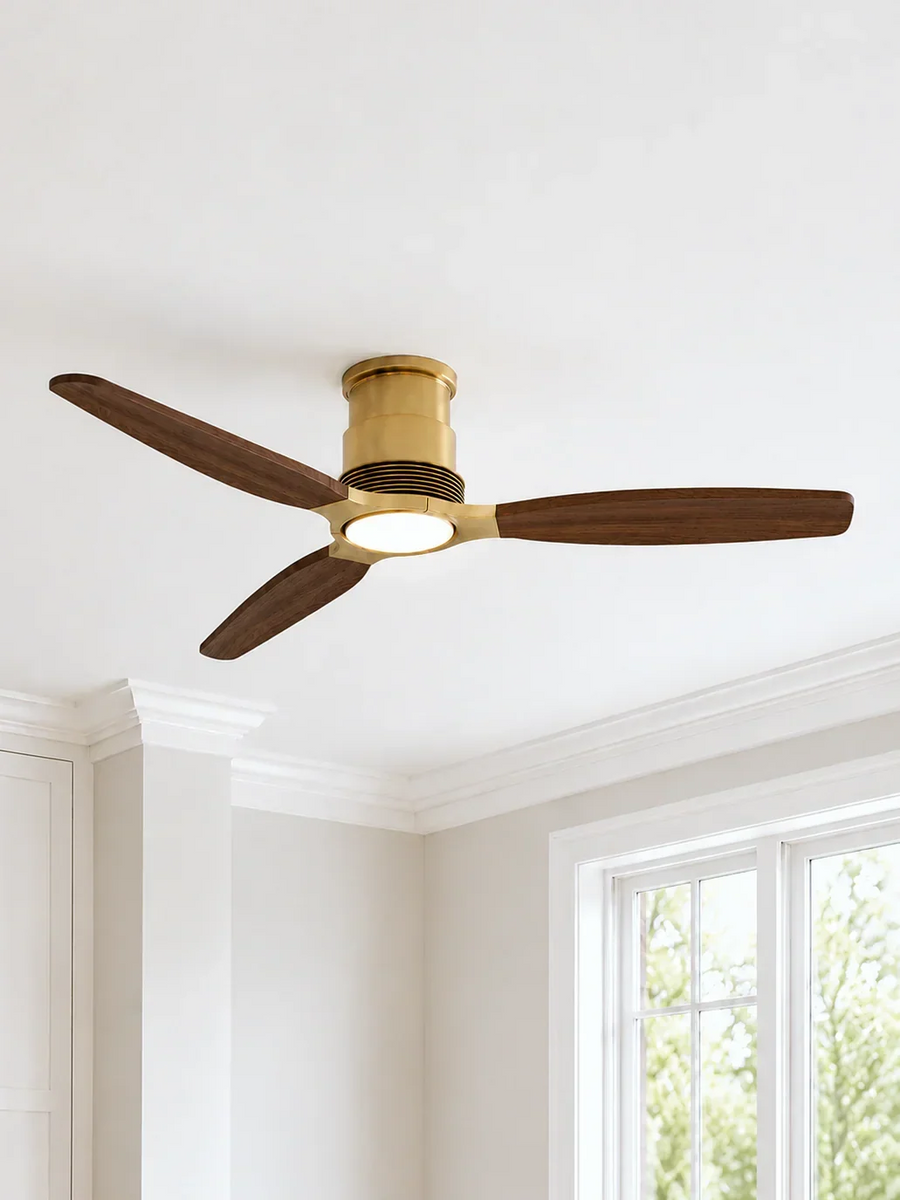
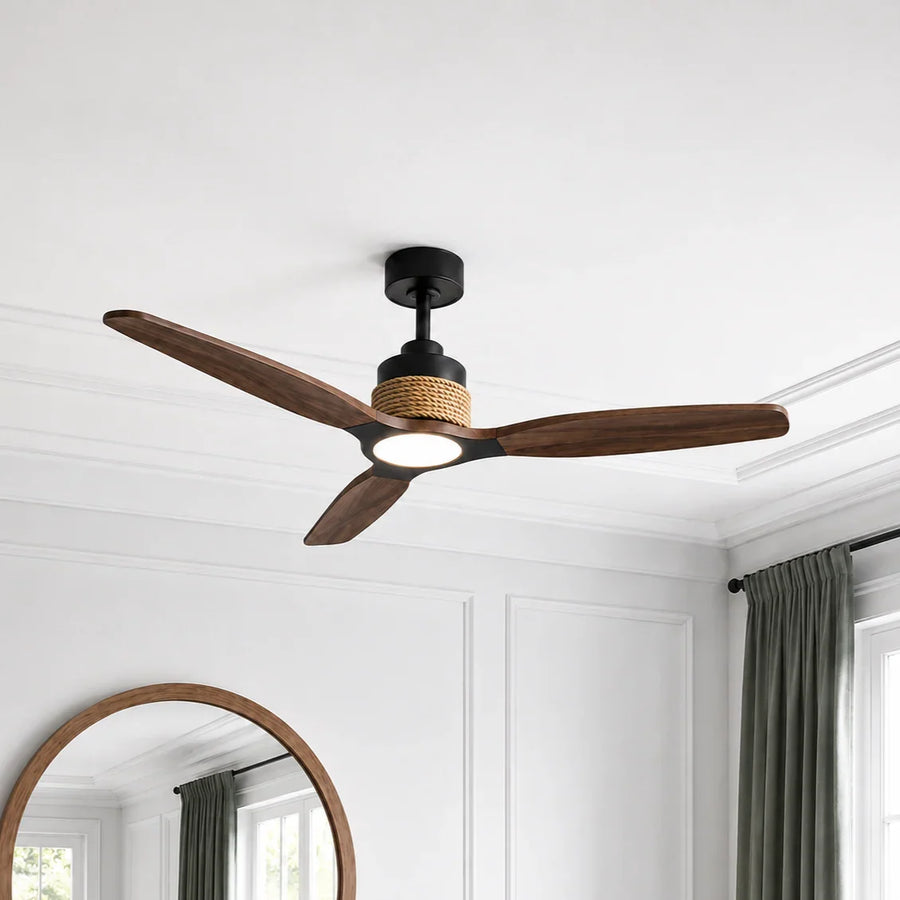
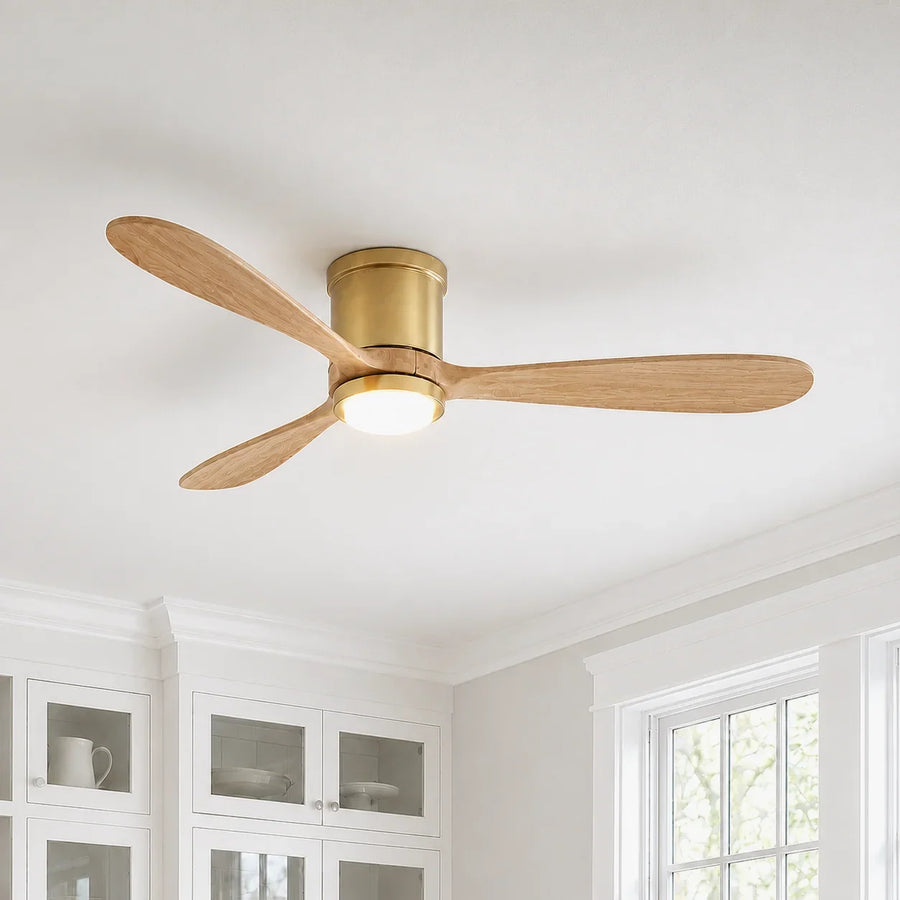
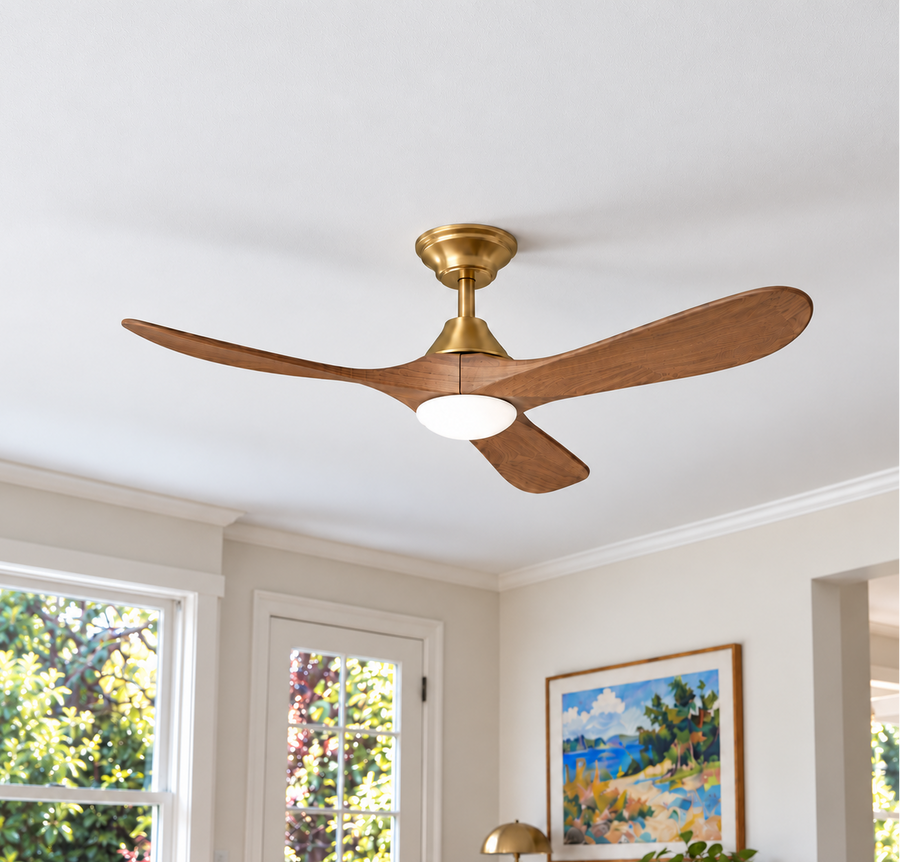
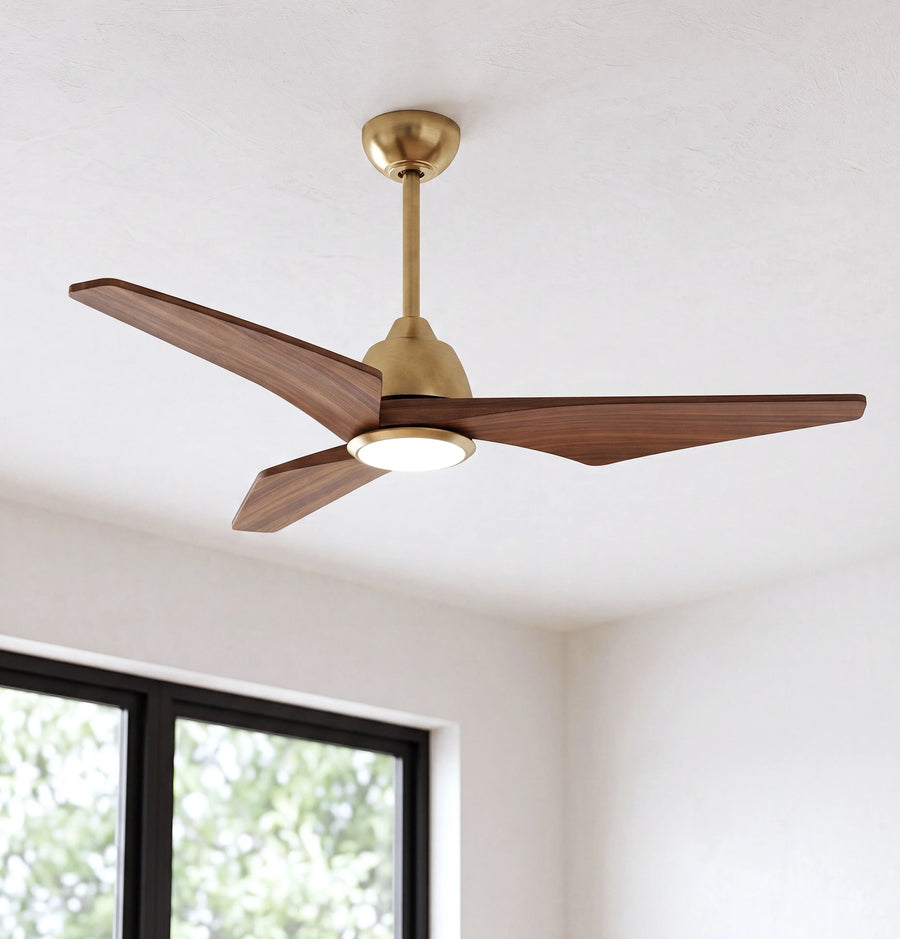
What Makes Real Wood Ceiling Fan Blades Different?
Real wood ceiling fan blades are made from natural timber rather than molded plastic or manufactured wood panels. Their grain patterns, colors and textures come from the wood itself, giving each blade a natural appearance.
Not every ceiling fan advertised as a wood ceiling fan uses solid wood. Some models use plastic, MDF or plywood with a wood-look finish.
|
Blade Material |
Main Characteristics |
|---|---|
|
Solid Wood |
Natural grain, texture and color variations |
|
Plywood |
Multiple layers of wood bonded together |
|
MDF |
Manufactured wood fibers with a smooth surface |
|
ABS Plastic |
Lightweight material with consistent finishes |
|
Metal |
Modern appearance and rigid construction |
The main advantage of solid wood is its authentic material and natural grain. However, overall quality also depends on the timber, protective finish and manufacturing process.
Key Benefits of Real Wood Ceiling Fan Blades
Natural Grain and Unique Appearance
One of the biggest advantages of real wood is its natural appearance. Every piece of timber has different grain patterns and color variations, making solid wood blades visually distinctive.
Unlike printed wood finishes, natural timber has an authentic texture that can complement hardwood floors, wooden furniture and other natural materials.
Light wood finishes create a fresh, relaxed look, while darker walnut tones add depth and contrast. This makes real wood ceiling fans suitable for both bright contemporary interiors and warmer traditional spaces.

Adds Warmth to Modern Interiors
Modern homes often feature glass, metal, concrete and other smooth surfaces. Wood helps balance these materials by introducing natural texture and warmth.
Real wood ceiling fans work particularly well with:
|
Interior Style |
Suitable Wood Finish |
|---|---|
|
Modern |
Natural or light wood |
|
Farmhouse |
Medium or rustic wood |
|
Minimalist |
Light natural wood |
|
Mid-Century Modern |
Walnut or warm brown |
|
Industrial |
Dark wood |
A wooden ceiling fan can also connect different design elements, such as flooring, cabinets, dining tables and ceiling beams, creating a more coordinated interior.

A More Authentic Material
Solid wood offers a different feel from synthetic materials. Its natural grain and surface details give a ceiling fan a distinctive appearance.
For homeowners who invest in quality furniture and natural finishes, this can be an important consideration. Since ceiling fans are often positioned in visible areas, their material and design can influence the overall appearance of a room.
Do Real Wood Blades Improve Airflow?
The material alone does not determine how much air a ceiling fan moves. Airflow depends on blade span, pitch, shape, motor performance and operating speed.
Ceiling fan airflow is measured in cubic feet per minute, or CFM. A higher CFM rating generally indicates greater air movement under the stated testing conditions.
Blade pitch also matters. It describes the angle of the blades and affects how they move air through a room. However, a steeper pitch does not automatically guarantee better performance. The motor must be able to drive the blades effectively.
When comparing solid wood ceiling fans, check the published CFM, motor specifications and energy efficiency rather than choosing based on material alone.

Are Real Wood Ceiling Fan Blades Durable?
Solid wood can provide long-term value, but its durability depends on the timber, construction, protective finish and installation environment.
Wood naturally responds to changes in humidity. Excess moisture can contribute to swelling, warping or changes in the finish. For this reason, many solid wood ceiling fans are designed for dry indoor locations.
Regular dusting and proper care can help maintain their appearance. Always check the manufacturer's location rating before installing a wooden fan in a bathroom, covered patio or other moisture-prone area.
Real Wood vs. Plastic Ceiling Fan Blades
Both materials have advantages, and the right choice depends on your priorities.
|
Comparison |
Real Wood |
Plastic |
|---|---|---|
|
Appearance |
Natural grain and texture |
Consistent manufactured finish |
|
Design |
Warm and organic |
Wide range of shapes |
|
Maintenance |
Requires moisture-conscious care |
Generally easy to clean |
|
Surface |
Natural variations |
Uniform appearance |
|
Humidity |
Needs suitable protection |
Depends on material and rating |
Plastic blades can be practical for simple maintenance, while real wood is appealing to homeowners who prefer natural materials and a more distinctive finish.
Neither material automatically provides better airflow or quieter operation. These qualities depend on the complete fan design.
Where Do Real Wood Ceiling Fans Work Best?
Real wood ceiling fans can complement several areas of the home.
Living Rooms: Natural wood blades pair well with hardwood floors, wooden shelving and neutral furniture. They can also add warmth to open-concept spaces with modern finishes.
Bedrooms: Light wood finishes create a relaxed atmosphere and work well with natural bedding and wooden nightstands. A flush mount design can also be useful in rooms with lower ceilings.
Dining Rooms: Wooden blades complement dining tables, cabinets and natural furniture finishes. Choose a fan size that provides suitable airflow without overwhelming the dining area.
How to Choose the Right Real Wood Ceiling Fan
Consider the Fan Size
The blade span should match the room size. A fan that is too small may not provide enough air movement, while an oversized model can dominate a compact room.
|
Room Size |
General Fan Size |
|---|---|
|
Up to 100 sq ft |
36 to 42 inches |
|
100 to 225 sq ft |
44 to 52 inches |
|
225 to 400 sq ft |
52 to 60 inches |
|
Very large rooms |
Consider larger or multiple fans |
These are general guidelines. Ceiling height, room layout and the fan's airflow rating should also be considered.
Choose the Right Wood Finish
Light natural wood works well with white walls, pale flooring and minimalist furniture. Medium wood tones suit farmhouse and transitional interiors, while dark wood creates contrast against lighter surroundings.
You do not need to match the fan blades exactly to your furniture. Choosing complementary wood tones can create a more natural and balanced appearance.
Check the Motor and Installation Type
DC and AC motors have different operating characteristics, power requirements and control options. Compare their specifications rather than assuming one type is always better.
Also consider whether you need a flush mount or downrod installation. Flush mount fans sit closer to the ceiling, making them useful for rooms where hanging height is limited.
How to Maintain Real Wood Ceiling Fan Blades
Proper care helps preserve the natural finish and appearance of wooden blades.
-
Dust regularly with a soft, dry cloth.
-
Avoid water, abrasive cleaners and harsh solvents.
-
Turn off the fan before cleaning and periodically check blade screws and mounting hardware.
Follow the manufacturer's care instructions, as different wood finishes may require different treatment. Avoid installing dry-rated wooden fans in damp or wet locations.

Real Wood Ceiling Fans from Perimost
Perimost offers solid wood ceiling fans designed to combine natural materials with modern residential styling. The Louise and Mayna models provide two different flush mount options.
Louise 48-Inch Flush Ceiling Fan
The Perimost Louise features three solid wood blades, a soft brass finish and a low-profile design. Its 31W DC motor offers six speed settings, remote control and 4,082 CFM airflow. Designed without an integrated light, it is suitable for rooms with existing lighting and spaces up to 225 square feet.

Mayna 52-Inch Flush Ceiling Fan
The Perimost Mayna features three natural solid wood blades and a clean farmhouse-modern appearance. Its 50W AC motor offers three speeds, while the integrated 18W LED provides 2,000 lumens and three color temperatures. With a 52-inch span and recommended coverage of up to 300 square feet, it combines natural wood styling with everyday lighting for larger living rooms and dining areas.

Final Thoughts
Real wood ceiling fan blades bring natural texture, warmth and distinctive character to a home. For homeowners who appreciate authentic materials, they offer an attractive way to combine everyday airflow with thoughtful interior design.


